
The Pet Shop Economy
Do Androids Dream of Electric SheepThe obsession with animals and the commercial system that surrounds them.
increasing Bearing strength in each event
 decreasing
Bearing strength in each eventdecreasingAnimal Row
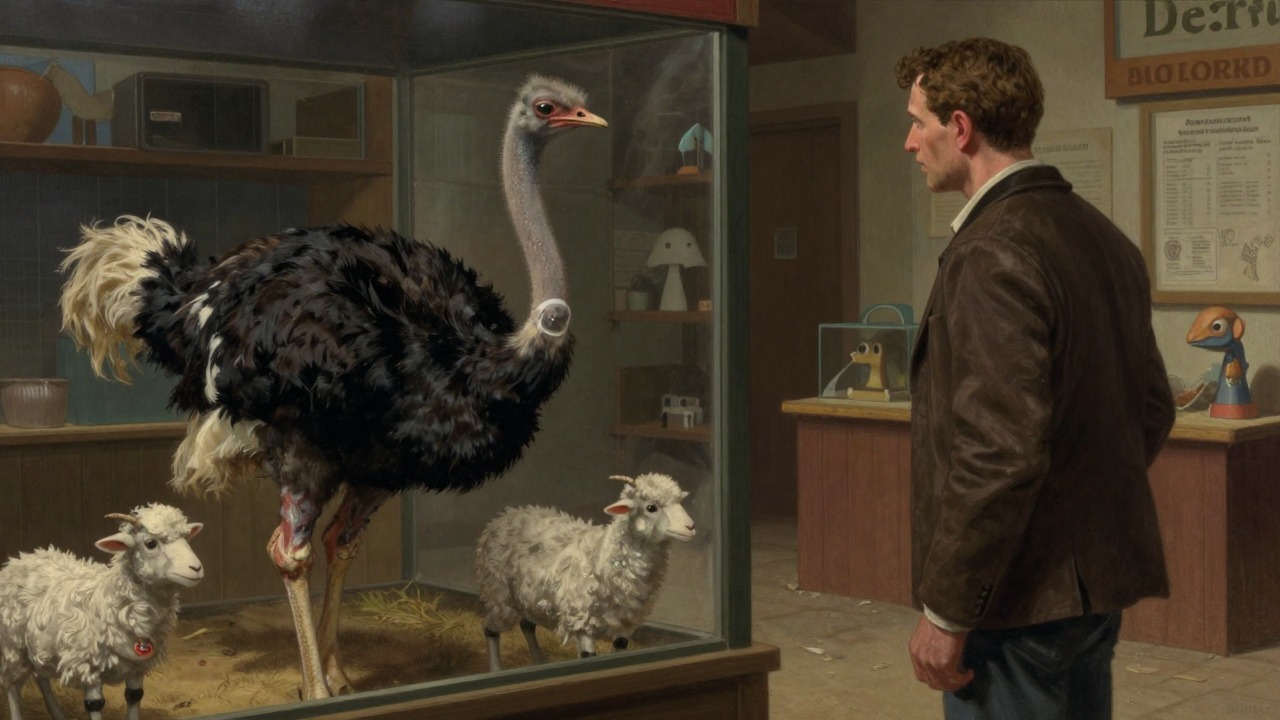
The Display
The Ostrich
Deckard stops at a pet shop. The ostrich costs thirty thousand dollars. He cannot afford it.
The Desire
He wants a real animal desperately. The electric sheep is a poor substitute.
The Economy
Animals are rare and expensive. The market is driven by scarcity and status.
The False Animal Shop
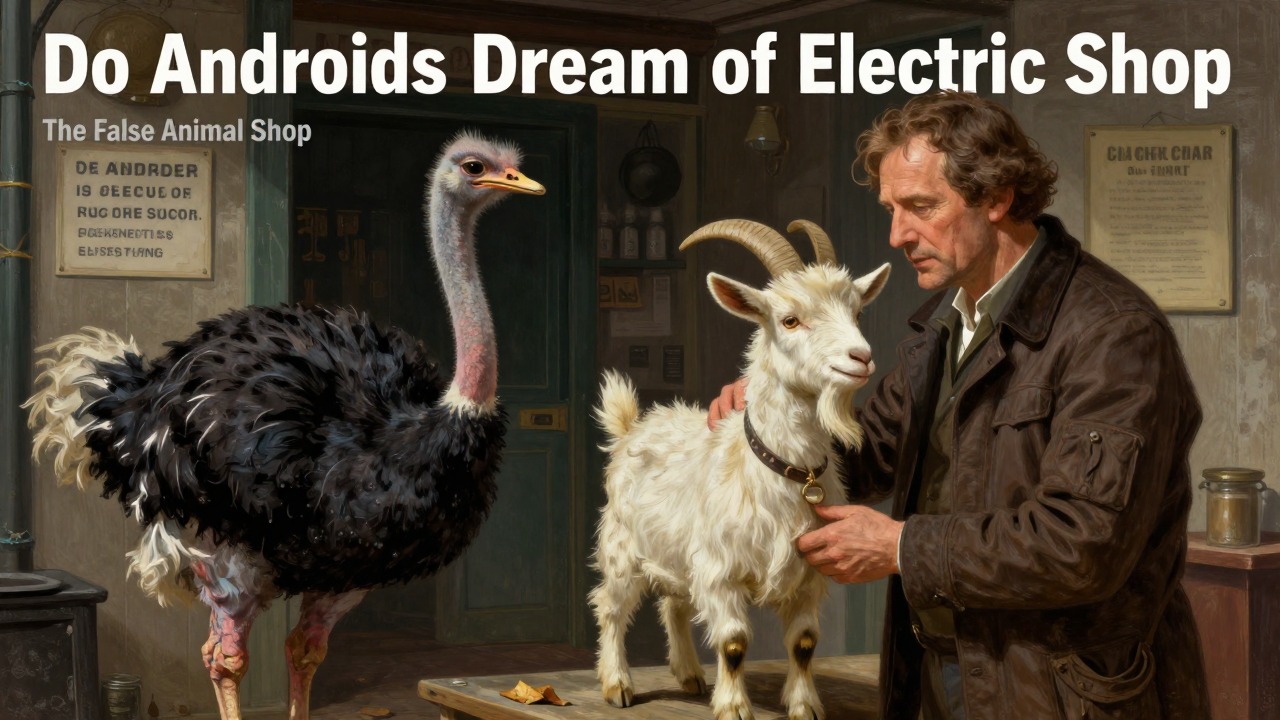
The Alternative
The Call
Deckard calls the false-animal shop. He asks about an electric ostrich. It costs eight hundred dollars.
The Comparison
The fake is cheaper but not the same. The pretense is exhausting.
The Decision
He decides to buy a real goat instead. He wants authenticity.
The Goat Purchase
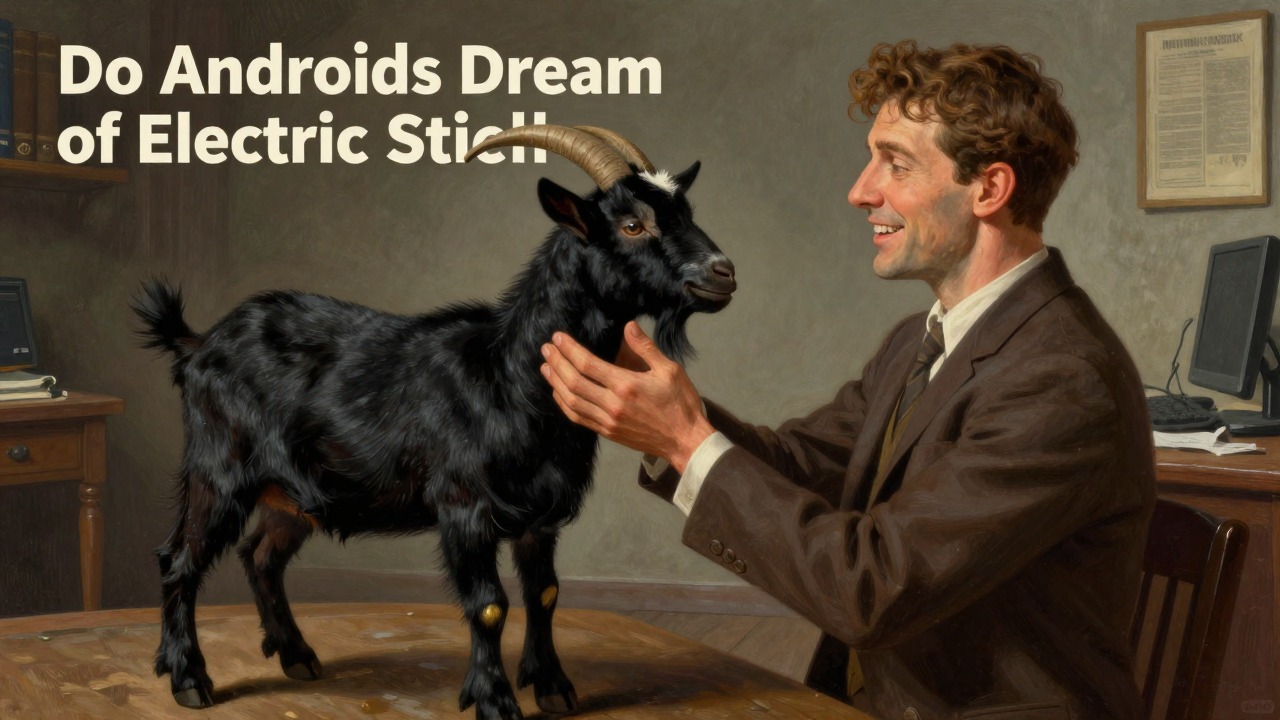
The Investment
The Negotiation
Deckard buys a black Nubian goat for three thousand dollars down. It is a major financial commitment.
The Joy
He is thrilled. He shows it to Iran. It is a symbol of hope.
The Risk
The high payments put pressure on him. He needs to continue working.
The Spider's Value
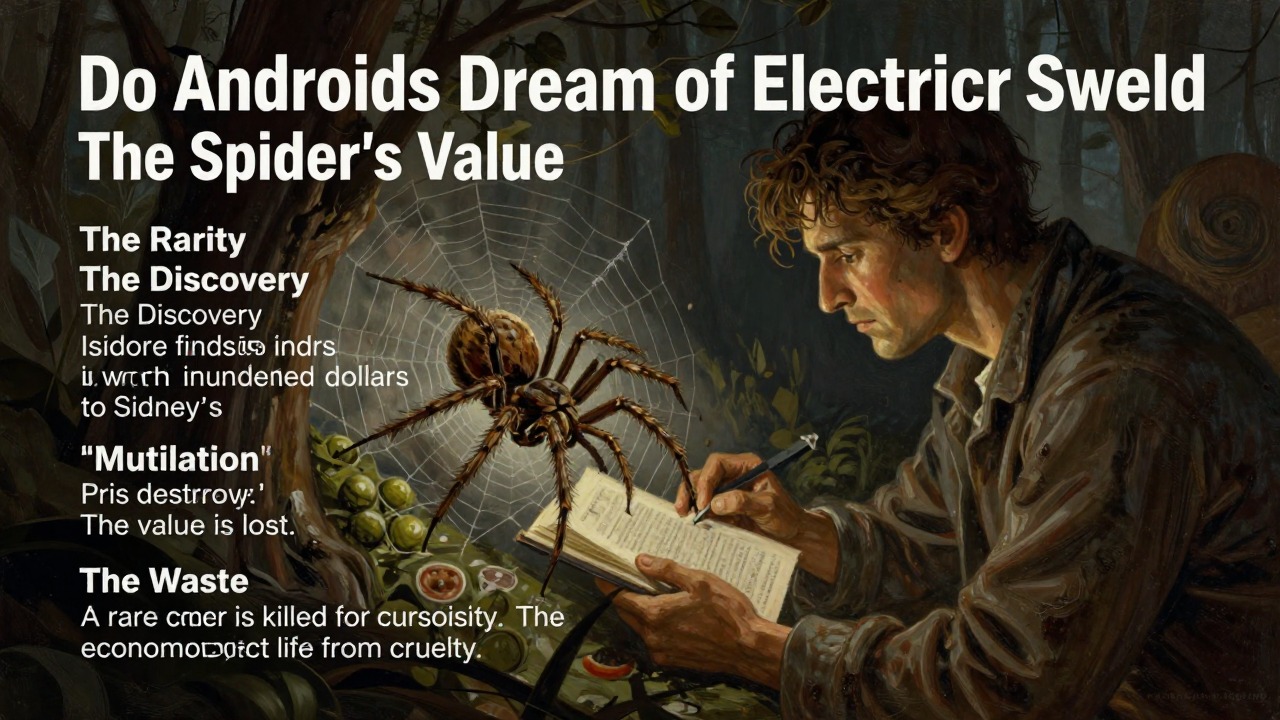
The Rarity
The Discovery
Isidore finds a spider. It is worth a hundred dollars according to Sidney's.
The Mutilation
Pris destroys it. The value is lost.
The Waste
A rare creature is killed for curiosity. The economy cannot protect life from cruelty.
The Electric Toad
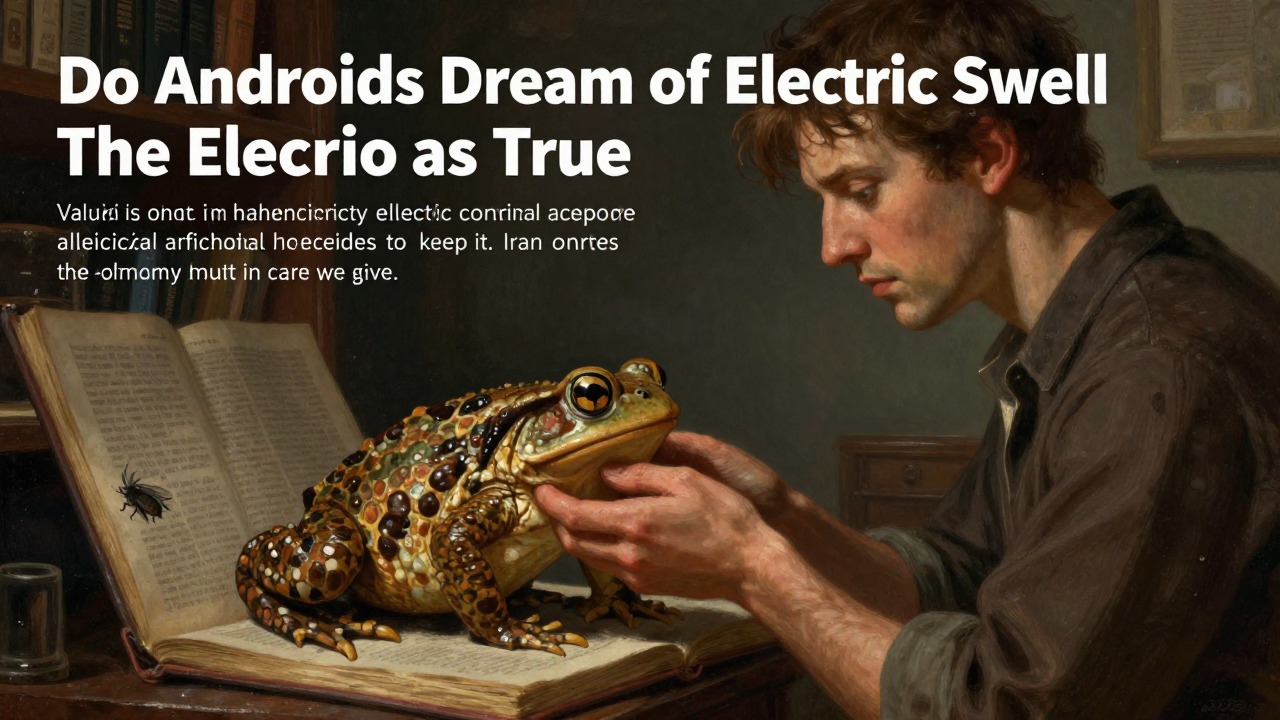
The Fake as True
The Discovery
Deckard finds a toad, but it is electric.
The Acceptance
He decides to keep it. Iran orders artificial flies. The economy adapts to the artificial.
The Conclusion
Value is not in authenticity but in the care we give. The pet shop economy is a reflection of the human need for connection.
morning of January 3
morning
evening
night
next morning
